Brand
The Rise of Living Logos: Why Adaptive Brand Identity Is the Future of Trust
For decades, logos were designed to be fixed and unchanging. Consistency meant repetition. Recognition came from seeing the same mark in the same form, everywhere. That logic made sense in a static world. But the digital environment is no longer static, and brand identity can no longer afford to be either.
A new design philosophy is emerging. Hyper‑personalized adaptive logos are transforming brand marks into living systems that respond to context, environment, and user behavior. This shift is not a stylistic experiment. It reflects how people now experience brands across platforms, moments, and emotional states.
01From Static Symbols to Responsive Systems
Traditional logos were built for permanence. They needed to work in print, signage, and broadcast media. Their strength came from visual consistency.
Today, brands exist primarily in digital ecosystems where context constantly changes. Screens vary in size. Interfaces adapt to light and sound. Users interact at different times, in different places, with different expectations.
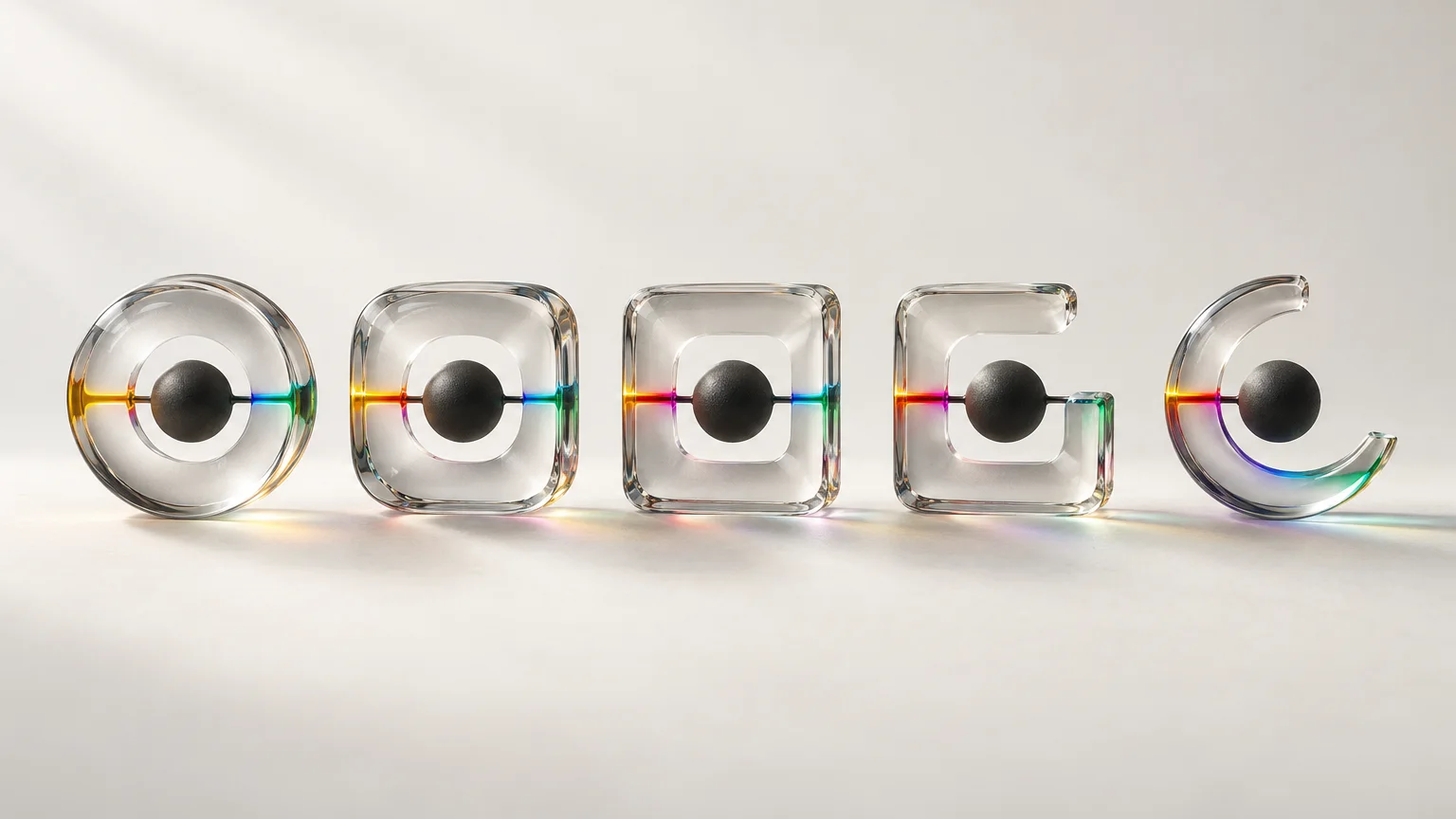
Adaptive logos respond to these conditions. They adjust color, form, density, or expression while maintaining a recognizable core. Instead of repeating the same image, the brand communicates through a system of behaviors.
This approach aligns with modern brand theory, which defines identity as experience rather than appearance.
02The Science of Personalization and Trust
Human attention is selective. The brain prioritizes stimuli that feel relevant and timely. Research in cognitive psychology shows that personalized experiences increase emotional engagement and perceived value.
When a logo subtly adapts to its environment, it signals awareness. Awareness creates trust.
Adaptive logos work because they mirror human behavior. People change tone, expression, and posture depending on context. Brands that do the same feel more natural and relatable.
This dynamic responsiveness reduces psychological distance. The brand feels present rather than imposed.
03Why Consistency Is Being Redefined
A common concern around adaptive logos is loss of consistency. In reality, consistency has evolved.
Consistency no longer means visual sameness. It means conceptual coherence. The underlying structure, proportions, and personality remain stable, even as surface details adapt.
This mirrors how language works. Words change tone depending on context, yet meaning remains intact. Adaptive logos apply the same logic to visual identity.
When designed correctly, variation strengthens recognition rather than weakening it.
04Technology as an Enabler of Identity
Advances in responsive design, real‑time data processing, and device intelligence have made adaptive logos possible at scale. Logos can now respond to screen type, ambient light, geographic context, and user interaction without manual intervention.
From a human‑computer interaction perspective, this creates a feedback loop between user and brand. The identity feels alive because it reacts.
Importantly, successful adaptive logos are not driven by novelty. They are guided by clear rules and constraints that protect brand integrity.
05Emotional Design in a Personalized World
Emotion plays a critical role in decision‑making. Adaptive logos allow brands to express emotional intelligence visually.
A calmer expression in the evening. A brighter tone during active hours. A simplified form on smaller screens. These adjustments may be subtle, but their cumulative effect is powerful.
They communicate care. They show respect for the user’s context. And they reinforce the feeling that the brand is designed for people, not just platforms.
06Impact on User Experience and Visibility
User experience is now a key driver of digital performance. Search engines and platforms increasingly reward brands that deliver relevant, accessible, and engaging experiences.
Adaptive logos contribute to this by improving clarity, reducing friction, and increasing engagement. When identity adapts naturally, users feel guided rather than interrupted.
This leads to longer interaction, stronger recall, and higher perceived quality. Visibility improves not through repetition, but through relevance.
07Where Adaptive Logos Deliver the Most Value
Hyper‑personalized identity systems are especially effective for digital‑first brands, technology platforms, global organizations, and services that operate across cultures and time zones.
They allow a single brand to feel local without fragmenting. They support scalability without sacrificing warmth.
In a world defined by constant change, flexibility becomes a competitive advantage.
08The Future of Brand Identity
Logos are no longer symbols to be protected from change. They are frameworks designed to evolve.
The brands that will lead in the future understand that identity is a conversation, not a declaration. Adaptive logos do not weaken brands. They humanize them.
Because people do not trust what feels rigid.
They trust what feels aware.