The arc360 blog
Notes on Identity, Logos and Brand Strategyfrom the studio.
Essays by Abolfazl Mouneskhah on how brands mean what they mean: logo geometry and semiotics, typography, adaptive identity, positioning and the psychology of B2B decisions.
Posts shown: 19
 LatestTechNewsletterThe Map of the ObviousGenerative AI promises fifty logo concepts from one word in a brief. A brand designer on what it really returns, how to use it and where it goes wrong.Read the post
 TechNewsletterThe Back of the LogoA flat logo meets a room you can walk around. The semiotic challenges of brand design for spatial computing and AR, and what to change in guidelines now.
 DesignNewsletterThe Axis of TrustHow a logo's geometric axis shapes the first judgement of trust: symmetry against asymmetry, the semiotics behind it and what it means for brand storytelling.
 DesignNewsletterBeyond ΦThe golden ratio is a tool, not a theology. What two decades of geometric logo design show about balance, beyond the myth of one magic number.
 DesignNewsletterThe Architecture of SemiosisNeither Modernist worship nor Post-Modern rejection: why the grid in graphic design is a system of meaning, and how to use structure without rigidity.
 BrandNewsletterThe Semiotic ContractWhere strategic design ends and cognitive manipulation begins: semiotics, intentionality and cognitive liberty in ethical brand communication.
 DesignNewsletterThe Semiotics of Structural ProportionsThe logo gets the strategic attention, but type does much of the talking. How typographic proportions carry meaning in a visual identity system.
 BrandNewsletterBeyond the Fixed MarkFrom stable anchor to shifting sign: what the floating signifiers of postmodern branding mean for the logo, and why it is evolving rather than dying.
 DesignNewsletterVoid as VoiceIn a saturated feed, what a logo leaves out can say the most. Gestalt principles, closure and negative space as tools for a clearer brand signal.
 DesignNewsletterThe Illusion of SimplicityRadical minimalism is sold as the peak of modern design. Why stripped-back logos often lose their meaning, and what real simplicity in a mark takes.
 DesignImperfect by Design: Why Human Flaws Are Becoming the Most Valuable Brand SignalAs AI makes flawless visuals cheap, perfection stops feeling personal. Why imperfect, human design is becoming a brand's most valuable trust signal.
 TechBento Grid Layouts: Why Modular Interfaces Are Redefining Digital ClarityWhy bento grid layouts feel instantly understandable: the cognitive logic of compartments, their path from Apple to industry standard, and the UX gains.
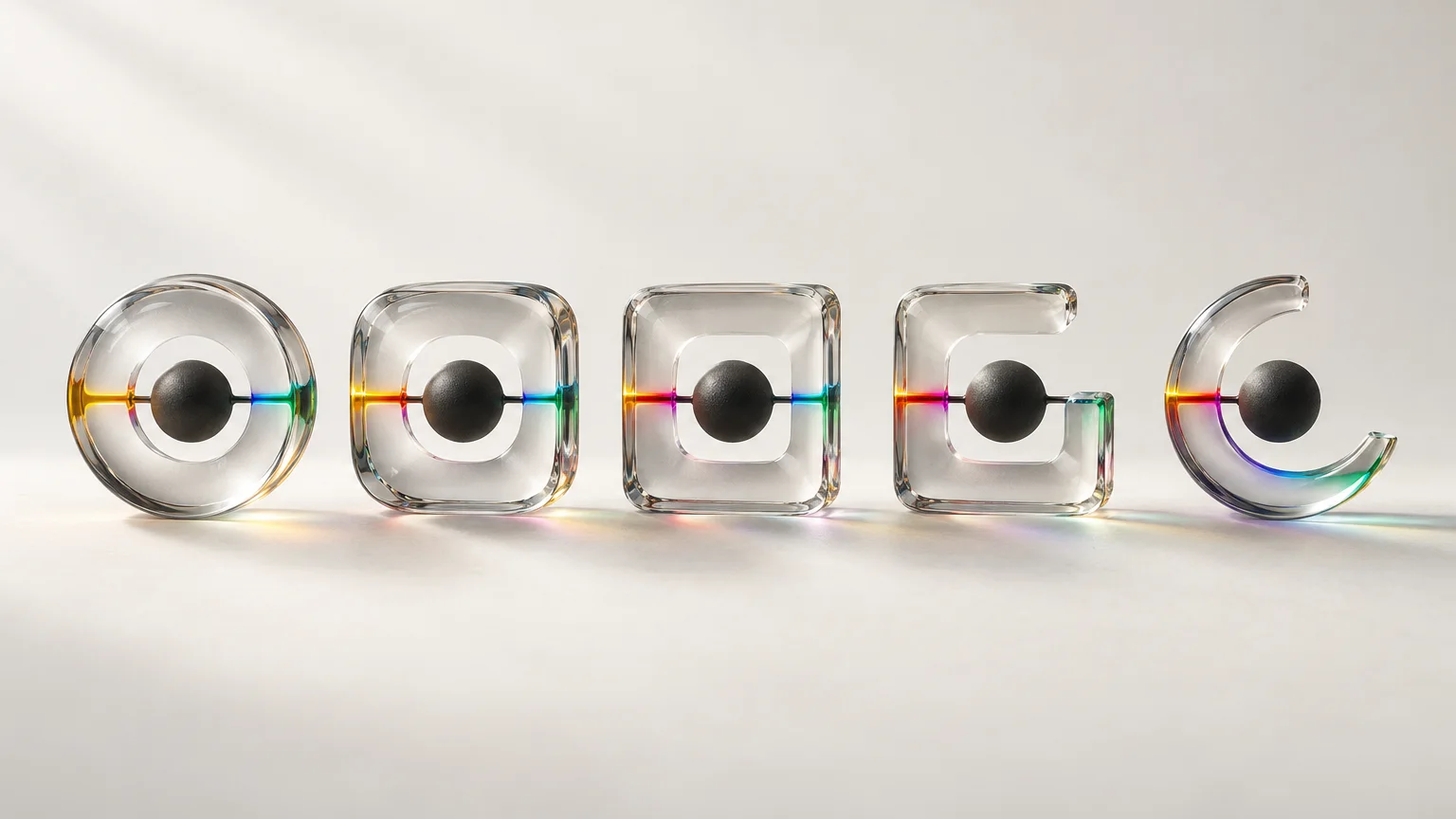 BrandThe Rise of Living Logos: Why Adaptive Brand Identity Is the Future of TrustLogos used to stay fixed; now they respond to context. How adaptive, dynamic brand identity redefines consistency, personalisation and trust.
 GrowthNeuro-Branding: The Architecture of Subconscious B2B ConversionB2B buyers are less rational than they believe. How colour, form and typography shape subconscious trust and conversion in high-stakes B2B decisions.
 GrowthThe Dual-Coding Deficit: Why Your “Data-Rich” Pitch Deck is Scientifically Designed to FailWhy data-rich, bullet-heavy pitch decks fail: dual coding theory, narrative arc, signal-to-noise and the aesthetic-usability effect in presentation design.
 GrowthThe Cognitive Real Estate Crisis: Why Being “Better” Is a Losing StrategyBuyers remember only a few brands per category. Why being 'better' loses, and four levers for a defensible position, from sacrifice to category creation.
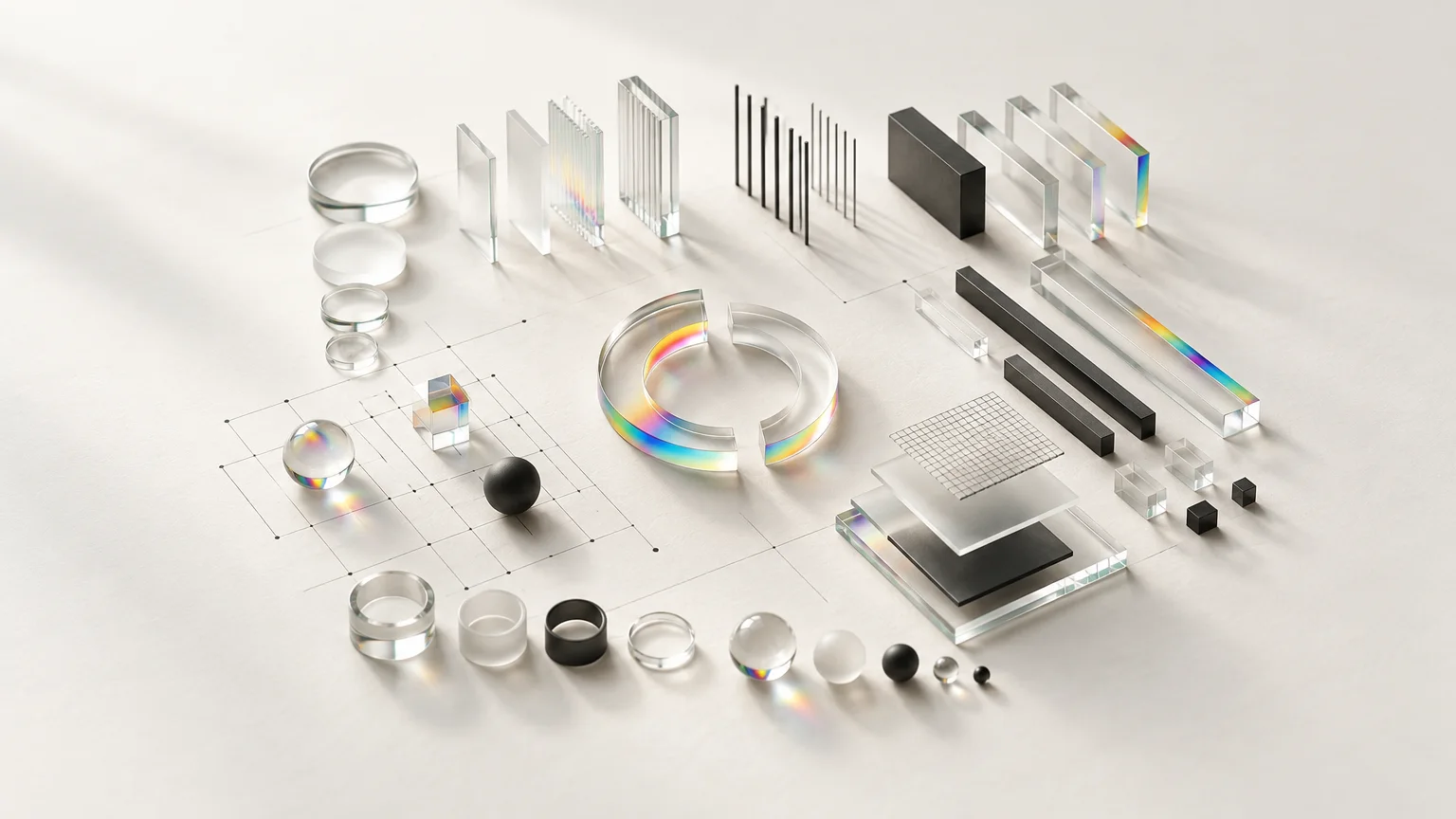 BrandThe Synecdoche Error: Why Your Logo Is Not Your Brand StrategyMistaking the logo for the brand is a costly synecdoche. How a unified visual ecosystem, from atomic design to grid and type hierarchy, carries strategy.
 BrandThe End of Immutable Branding: Why Static Logos Cannot Survive in a Fluid EconomyConsistency was corporate identity's central dogma. Why static logos struggle in a fluid economy, and how parametric, data-driven generative identity works.
 BrandThe Semiotics of Value: Deconstructing Brand Experience (BX) Beyond the Visual SpectrumA visual identity is not a brand experience. Why BX lives beyond the visual, how it differs from CX, and where strategy gets lost in execution.